The findings suggest that rather than declining, Europe’s reliance on Yamal LNG intensified in 2025. Yamal cargoes accounted for 14.3% of the EU’s total LNG imports, equivalent to roughly one in every seven LNG ships arriving at European terminals.The findings suggest that rather than declining, Europe’s reliance on Yamal LNG intensified in 2025. Yamal cargoes accounted for 14.3% of the EU’s total LNG imports, equivalent to roughly one in every seven LNG ships arriving at European terminals.
The post EU Ports Still Power Russia’s Arctic Gas Exports Despite Phase-Out Pledge appeared first on Green Prophet.
Mushrooms grown on carrot waste are tastier than soy
If make carrot juice and wonder what to do with all the carrot waste? Maybe turn it into mushrooms? A new study published in ACS’ Journal of Agricultural and Food Chemistry points to a clear opportunity for mushroom growers—commercial and hobby alike: using carrot processing waste as a substrate to grow high-value fungal mycelium for alternative protein.
Researchers investigated whether carrot side streams, generated during the production of natural food colorants, could support edible fungi growth. After screening 106 fungal strains, they identified Pleurotus djamor (pink oyster mushroom) as the most efficient, producing strong biomass growth and high protein content when cultivated on carrot residues.
Pink oyster mushrooms via Jack Wallington
Rather than growing fruiting bodies, the researchers focused on harvesting mycelium. This approach is especially relevant for growers, as mycelium production typically requires less space, shorter production cycles, and more controlled conditions than traditional mushroom cultivation.
According to the study, the resulting mycelium protein showed biological values comparable to both animal and plant proteins, while remaining low in fat and rich in fiber. As the authors note:
“The biological value of the mycelial protein was comparable to that of animal- and plant-based proteins.”
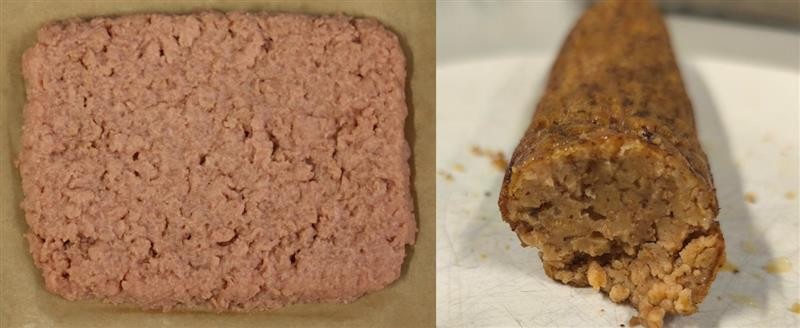
To test market potential, the mycelium was incorporated into vegan patties and sausages. In blind taste tests, participants consistently preferred products made with 100% mycelium over soy-based alternatives, citing better taste and aroma.
The researchers emphasize the broader implications for sustainable food production: “Utilizing side streams as substrate for mycelium production reduces environmental impact while adding value and supports food security.”
For mushroom growers, this research highlights a scalable, circular model: low-cost or discarded vegetable side streams become feedstock for a premium protein ingredient. It opens the door to partnerships with food processors, diversification beyond fresh mushroom sales, and entry into the fast-growing alternative protein market—without requiring entirely new cultivation expertise.
As demand rises for sustainable proteins that perform well on taste, mycelium grown on agricultural side streams may offer growers a rare combination of efficiency, profitability, and environmental benefit.
The post Carrot Waste Could Be Your Next Oyster Substrate –– Mycelium Protein Beats Soy in Taste Tests appeared first on Green Prophet.